July 16, 2026
When it comes to maintaining your vehicle, choosing the right repair professional can make a significant difference in both performance and long-term costs. Many drivers only visit a shop when something goes wrong, but asking the right questions can help build trust and ensure you receive quality service. Whether you need routine maintenance or major repairs, knowing what to ask your local mechanic can help you make informed decisions and avoid unnecessary expenses.
Vehicle longevity has become increasingly important for many Americans. According to Autotrader, the average vehicle on U.S. roads is now about 12.5 years old. As cars remain in service longer, drivers need dependable automotive professionals who can help them protect their investment and keep their vehicles running safely for years to come.
1. Experience Questions
One of the first things to ask is how much experience the shop has working on your specific make and model. Different manufacturers use unique technologies, components, and repair procedures. A technician who regularly works on your type of vehicle is often better equipped to diagnose problems accurately and perform repairs efficiently.
You should also ask whether the technicians hold industry certifications. Certifications demonstrate that mechanics have completed training and stay current with evolving automotive technologies. When speaking with a local mechanic, understanding their qualifications can provide peace of mind that your vehicle is in capable hands.
Another valuable question involves ongoing education. Automotive systems continue to become more advanced, incorporating sophisticated electronics, driver-assistance features, and computerized diagnostics. Shops that invest in continuing education often provide a higher level of service because their technicians remain familiar with modern repair techniques.
2. Service Questions
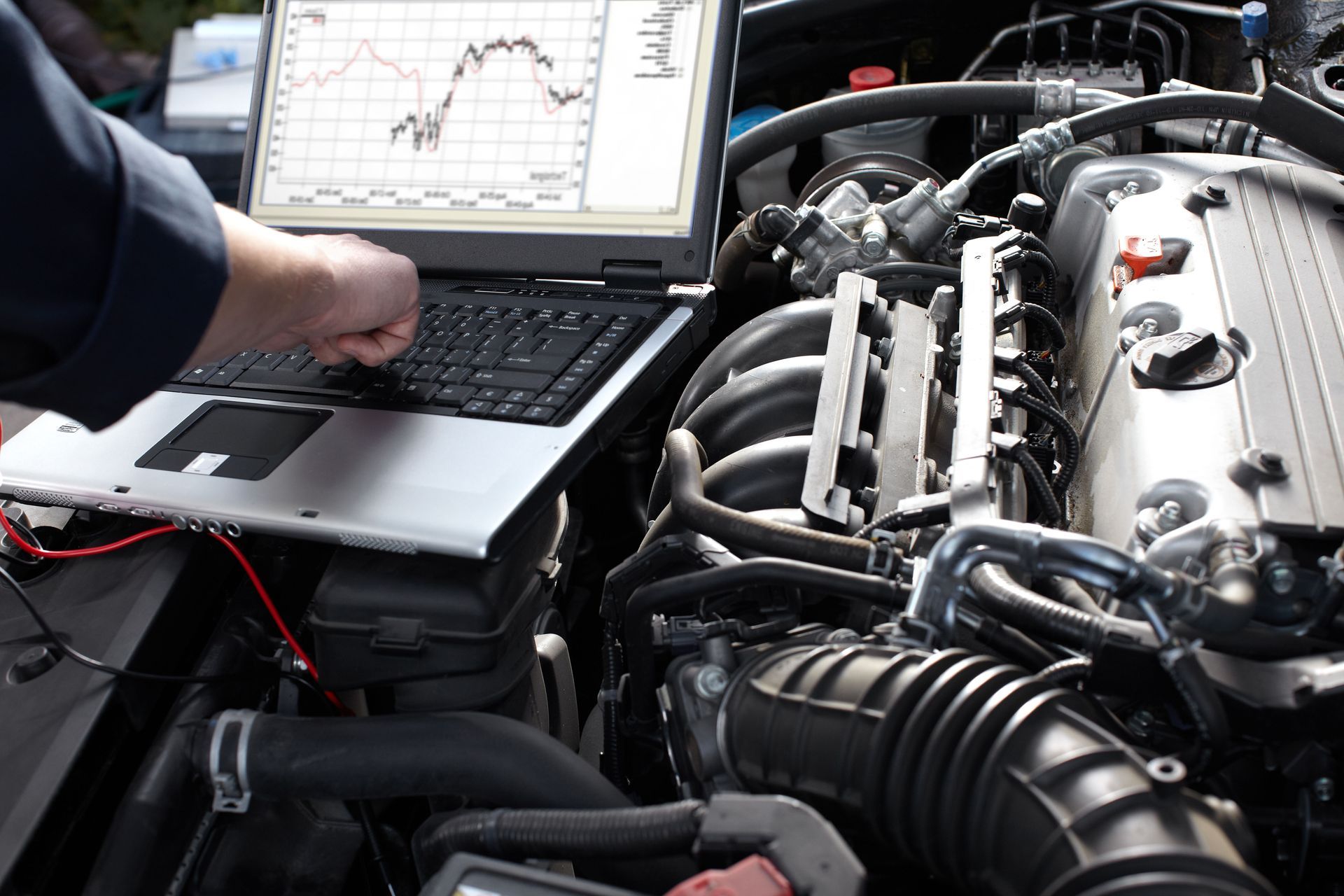
Ask what diagnostic process is used before repairs are recommended. A thorough inspection and accurate diagnosis are essential for solving the root cause of a problem. Reputable shops typically explain their findings clearly and provide evidence to support their recommendations.
It is also important to ask whether you will receive a detailed written estimate. A written estimate helps you understand labor costs, parts expenses, and any additional fees before work begins. When evaluating a local mechanic, transparency regarding pricing is often a sign of professionalism and honesty.
Another key question concerns replacement parts. Some repairs may involve original equipment manufacturer parts, while others may use high-quality aftermarket alternatives. Understanding your options allows you to balance budget considerations with long-term reliability.
Communication should also be discussed before authorizing repairs. Ask whether the shop will contact you if additional issues are discovered during service. A trustworthy local mechanic will typically seek approval before performing any work that exceeds the original estimate.
3. Warranty Questions
Repairs represent an investment in your vehicle, making warranty coverage an important topic. Ask what warranties apply to both labor and parts. Knowing the details of coverage can help you feel more confident about the work being performed.
You should also ask how warranty claims are handled if a problem occurs after service. Some shops offer nationwide warranty programs that can be honored at participating locations. This can be especially valuable for drivers who travel frequently or relocate.
Another useful question involves the shop's policy on customer satisfaction. Reputable businesses often stand behind their work and make reasonable efforts to address concerns. Discussing these policies with a local mechanic can help establish expectations before repairs begin.
Warranty terms may vary depending on the type of service performed. Understanding the specific coverage available for your repair can help you avoid misunderstandings and ensure you receive maximum value from your investment.
4. Maintenance Questions
Preventive maintenance is one of the best ways to reduce repair costs over time. Ask what maintenance schedule is recommended based on your vehicle's age, mileage, and driving conditions. Personalized recommendations are often more useful than generic guidelines.
You should also ask which services are most important for extending vehicle life. Oil changes, fluid inspections, tire maintenance, brake service, and battery testing all contribute to long-term reliability. A knowledgeable local mechanic can prioritize these services based on your vehicle's specific needs.
Another worthwhile question involves warning signs that should not be ignored. Strange noises, dashboard warning lights, unusual vibrations, and fluid leaks can indicate developing problems. Learning which symptoms require immediate attention may help prevent more expensive repairs in the future.
Finally, ask whether the shop keeps maintenance records and provides service reminders. Organized records make it easier to track repairs, plan future maintenance, and preserve vehicle value. Many modern shops use digital systems that simplify this process and help drivers stay on top of routine care.
5. Operational Systems and Communication Questions
Navigating the logistical side of vehicle repairs can often feel overwhelming, especially when it involves understanding the intricate internal workflows of a modern automotive shop. For many drivers, the anxiety of visiting an automotive professional stems from a lack of clarity regarding how a shop operates behind the closed doors of the service bay. To protect your investment and establish a mutually respectful relationship with your mechanic, you must proactively ask targeted questions about their internal communication protocols and scheduling systems before any work begins on your vehicle.
One of the most valuable questions you can ask a local mechanic involves the specific workflow a shop utilizes from the moment you hand over your keys to the moment your vehicle is returned to you. Understanding the structural timeline of a repair allows you to manage your own schedule and sets clear expectations for both parties. A professional shop should be able to walk you through their standard operating procedure, explaining how vehicles are triaged, how technicians are assigned based on their specific skill sets, and how quality control checks are performed after the mechanical work is finalized. When a shop has a standardized internal system, it reduces the likelihood of human error, ensures that no maintenance steps are skipped, and guarantees a more consistent level of care for your vehicle.
You should also inquire about the specific communication channels the shop uses to keep you updated throughout the day. Modern automotive facilities utilize a variety of methods to stay in touch with their clients, ranging from traditional phone calls to automated text messages and comprehensive digital updates. Asking your local mechanic how and when you will hear from the service advisor ensures that you do not miss critical updates regarding your vehicle's status. A trustworthy shop will establish a preferred communication method during check-in, ensuring that you receive timely notifications when your vehicle enters the diagnostic phase, when parts are ordered, and when the final inspection is successfully completed. This level of proactive communication eliminates the need for you to repeatedly call the shop for updates, creating a transparent and stress-free service experience.
Another critical aspect of communication involves learning how a shop handles the discovery of unexpected mechanical issues during a routine service. Vehicles are highly complex systems, and it is not uncommon for a technician to uncover a worn belt, a hidden fluid leak, or severely degraded brake pads while performing an oil change or tire rotation. Knowing the shop’s protocol for handling these secondary findings is essential for maintaining control over your vehicle's repair process. You should ask whether the shop provides a prioritized list of recommendations, separating urgent safety concerns that require immediate attention from minor maintenance items that can be safely deferred to a future visit. A reputable automotive professional will never pressure you into authorizing immediate repairs for non-urgent items, but will instead educate you on the condition of your vehicle so you can make an informed decision based on your personal timeline and needs.
Finding the right automotive professional requires more than comparing prices. By asking thoughtful questions about experience, service procedures, warranties, and maintenance recommendations, you can make more confident decisions regarding your vehicle's care. Establishing a relationship with a trusted
local mechanic can lead to better communication, more accurate repairs, and greater confidence every time you get behind the wheel.
At Pro Touch Auto, we believe informed customers make the best decisions for their vehicles. We take pride in answering your questions honestly, explaining repairs clearly, and delivering dependable automotive service you can trust. Contact us today, and let us help keep your vehicle safe, reliable, and performing at its best for years to come.