February 18, 2026
The automotive industry has undergone a dramatic transformation over the past few decades, and repair facilities have had to evolve right along with it. Vehicles that once relied primarily on mechanical components are now driven by software, sensors, and interconnected electronic systems. From onboard computers to advanced safety features, today's cars require a very different approach to maintenance and repair than they did even ten years ago. This shift has reshaped everything from how technicians diagnose problems to how customers interact with service providers.
This evolution is happening alongside significant industry growth. According to The Business Research Company, the auto repair and maintenance market size is expected to hit $1051.52 billion in 2025. As technology becomes more embedded in vehicles, the modern auto repair shop is adapting its tools, workflows, and customer communication methods to keep pace. In this article, we'll explore the major ways technology is reshaping auto repair and what that means for vehicle owners navigating today's increasingly sophisticated vehicles.
Advanced Diagnostic Systems and Smart Tools
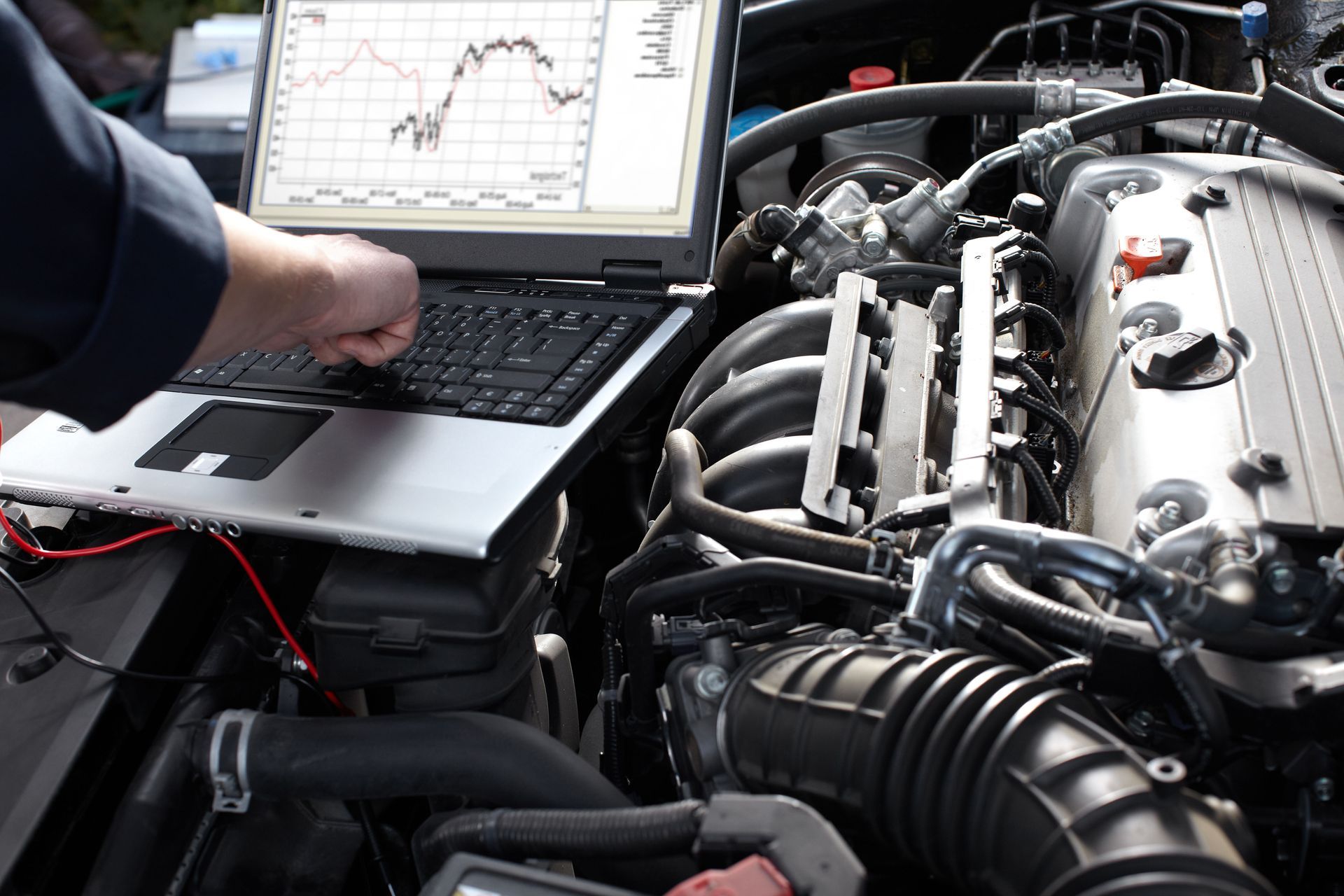
One of the most noticeable changes inside a modern auto repair shop is the reliance on advanced diagnostic technology. Traditional troubleshooting once depended heavily on visual inspections, mechanical testing, and years of hands-on experience. While technician expertise still plays an essential role, computerized diagnostics now serve as the foundation for identifying issues quickly and accurately.
Modern vehicles contain dozens of sensors and electronic control units that continuously monitor performance. Diagnostic scanners allow technicians to access real-time data, fault codes, and system histories across engines, transmissions, emissions systems, braking components, and safety features. This data-driven approach reduces guesswork, speeds up diagnostics, and helps uncover underlying issues that might not be immediately visible. By identifying problems earlier, repair shops can address concerns before they escalate into more expensive or disruptive repairs.
Digital Vehicle Inspections and Transparency
Digital vehicle inspections have become increasingly common, transforming how repair findings are documented and shared with customers. Instead of handwritten notes or purely verbal explanations, technicians now use tablets or inspection software to capture photos, videos, and detailed comments during the inspection process.
For vehicle owners, this adds a valuable layer of transparency. Seeing clear images of worn brake pads, leaking seals, or damaged components makes it easier to understand recommended services. For the auto repair shop, digital inspections improve documentation accuracy, reduce misunderstandings, and create a consistent record of vehicle condition over time. This approach also helps customers feel more confident about repair decisions, strengthening trust between drivers and service providers.
Connected Vehicles and Real-Time Data Access
Connected vehicle technology has introduced new possibilities for maintenance and repair. Many modern vehicles can transmit performance data, alerts, and maintenance notifications directly to manufacturers or integrated service platforms. This connectivity allows repair professionals to access valuable information before a vehicle even arrives at the shop.
Real-time data can point to developing concerns such as battery degradation, sensor irregularities, or software-related faults. With early insights into potential problems, auto repair shops can prepare parts, tools, and service plans in advance. As connectivity continues to expand, technology supports a more proactive approach to vehicle care, reducing downtime and improving overall service efficiency.
Software Updates and Vehicle Programming
Repairs today extend far beyond replacing parts or adjusting mechanical components. Many vehicle issues can now be addressed through software updates, system recalibrations, or module reprogramming. From engine management systems to infotainment controls and driver assistance features, software plays a central role in modern vehicle performance.
Auto repair shops must invest in manufacturer-approved software platforms, secure access credentials, and specialized programming equipment to perform these updates correctly. This shift has added a technical layer to automotive service, blending mechanical knowledge with digital proficiency. As software continues to evolve, repair facilities must stay current to support both vehicle functionality and safety systems.
Automation and Workflow Management Software
Technology has also transformed how auto repair shops manage their day-to-day operations. Shop management software now handles appointment scheduling, work order tracking, inventory management, and technician assignments within a single platform. These systems reduce administrative workload and improve organization across the shop.
Automation allows service advisors to send digital estimates, status updates, and maintenance reminders without relying solely on phone calls. Customers benefit from quicker communication and clearer timelines, while shop owners gain better insight into productivity and workflow efficiency. These tools help create a smoother experience for both staff and customers.
Training and Technical Skill Development
As vehicles become more technologically advanced, ongoing training has become a necessity rather than an option. Technicians must stay current with evolving diagnostic systems, vehicle architectures, and repair procedures. Many training programs now use online coursework, virtual simulations, and manufacturer-led certification programs to support continuous learning.
Technology-based training allows technicians to learn new systems more efficiently and apply that knowledge directly in the shop environment. This commitment to education helps an auto repair shop maintain service quality while adapting to rapid changes across vehicle makes and models.
Enhanced Safety Systems and Calibration Needs
Advanced driver assistance systems such as lane departure warnings, adaptive cruise control, blind spot monitoring, and automatic emergency braking rely on precise sensor calibration. Even routine repairs like windshield replacement, wheel alignment, or suspension work can affect these systems.
Modern auto repair shops now use specialized calibration tools and software to restore safety systems accurately. This additional step has expanded the scope of repair work and highlighted the importance of precision in modern vehicle service. Proper calibration supports both vehicle performance and driver confidence on the road.
Customer Experience and Digital Communication
Technology has reshaped customer expectations across nearly every service industry, and auto repair is no exception. Many drivers now expect online appointment booking, digital service approvals, text message updates, and electronic payment options as part of their repair experience.
An auto repair shop that embraces digital communication can provide timely updates and clearer explanations throughout the repair process. These tools help bridge the gap between technical service work and customer understanding, making vehicle maintenance more accessible and less stressful for drivers.
Data Security and System Integration
As digital platforms become more central to auto repair operations, data security has taken on increased importance. Customer information, vehicle diagnostics, and service records must be protected through secure networks and controlled access systems.
System integration is another critical focus. Diagnostic tools, inspection software, shop management systems, and payment platforms often work together within a unified digital environment. This integration reduces errors, improves recordkeeping accuracy, and supports more efficient operations across the shop.
Technology is no longer a supporting element in automotive repair—it's a driving force behind nearly every aspect of the modern auto repair shop. From diagnostics and inspections to training and customer communication, digital tools are reshaping how vehicles are serviced and how repair facilities operate. As vehicles continue to evolve, shops that adapt to these technological shifts are better positioned to deliver accurate, efficient, and transparent service.
If you're looking for a forward-thinking auto repair shop that keeps pace with today's automotive technology, choose a provider that invests in modern tools, ongoing training, and clear communication to keep your vehicle performing at its best. Get in touch with our team at Pro Touch Auto to schedule an appointment! We'll be happy to answer any questions you may have!