January 27, 2026
This section serves as an introduction to the vital knowledge surrounding vehicle repair. Readers will gain an understanding of the importance of regular maintenance, common repair myths, and the benefits of being informed about automotive issues. Vehicle repair is not only essential to ensure the longevity and functionality of a vehicle but also crucial for safety on the road. With proper knowledge, car owners can avoid unnecessary expenses and improve their vehicle’s performance. This article will provide in-depth information to help you become more informed and proactive about your vehicle's maintenance needs.
Understanding Vehicle Repair Basics
Importance of Regular Maintenance
Regular maintenance is the cornerstone of vehicle longevity and performance. It involves a routine check-up and service of the vehicle's key components, which helps in identifying possible issues before they turn into costly repairs. Regular maintenance not only extends the life of the vehicle but also enhances fuel efficiency and performance. According to LLCBuddy, on average, people maintain their automobiles for 8.4 years, emphasizing the importance of consistent care in maximizing vehicle lifespan. By adhering to a regular maintenance schedule, car owners can ensure that their vehicles remain in optimal condition and provide a smoother, safer ride.
Skipping regular maintenance can lead to severe repercussions, including unexpected breakdowns and expensive repairs. It is recommended to adhere to the vehicle manufacturer's maintenance schedule as highlighted in the owner's manual. Regularly maintaining a vehicle involves changing the oil, checking the brakes, inspecting the tires, and replacing worn-out parts. By doing so, car owners can mitigate the risk of major failures and ensure their vehicle remains reliable on the road. Ultimately, regularly maintained vehicles not only benefit the owner but also contribute to road safety.
Maintenance also helps in maintaining the resale value of the vehicle. A well-maintained car with detailed service records is more attractive to potential buyers, as it indicates a lower probability of hidden mechanical issues. Regular maintenance is an investment that pays off in terms of longevity, durability, and resale value. Maintaining a vehicle for an average of 8.4 years, as indicated by LLCBuddy, is much easier and cost-effective with a consistent maintenance strategy. Consequently, understanding the importance of regular maintenance is crucial for vehicle owners aiming to maximize the return on their investment.
Common Vehicle Repair Terminology
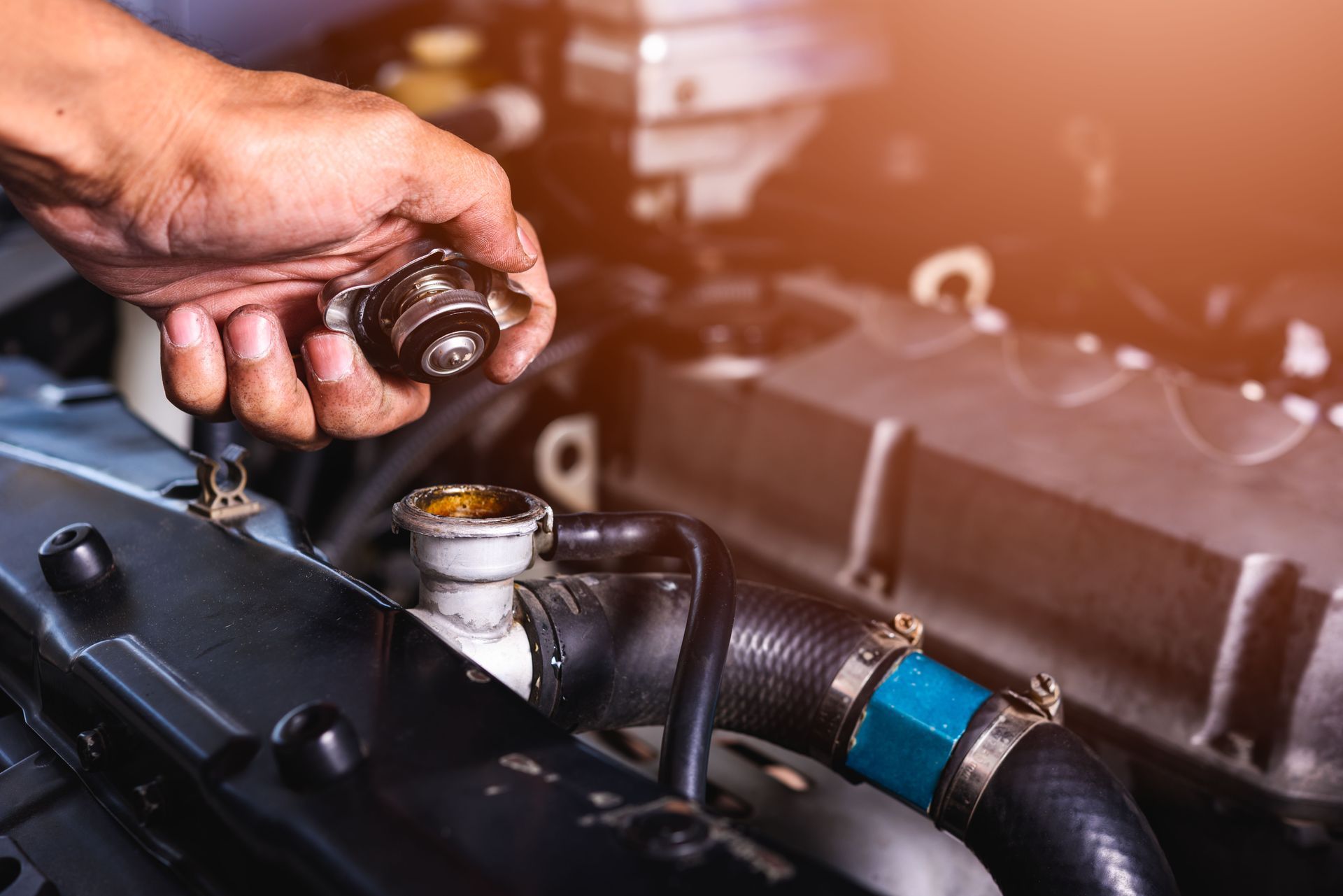
Understanding vehicle repair terminology can significantly aid in communication with technicians and enhance one's ability to diagnose potential issues. A basic grasp of terms such as "alternator," "radiator," "shock absorbers," and "catalytic converter" can shed light on a vehicle's condition during routine checks. Being familiar with these terms can empower vehicle owners to communicate more effectively with their mechanics, facilitating better decision-making regarding repair options. This knowledge not only aids in understanding repair processes but also prevents miscommunication, ensuring repairs are both necessary and appropriately conducted. Familiarity with basic automotive terminology is an essential skill for any vehicle owner aiming to be proactive about maintenance.
Additionally, understanding the difference between "OEM" (Original Equipment Manufacturer) and aftermarket parts can be crucial when sourcing spare parts. OEM parts are manufactured by the original maker of the vehicle components, guaranteeing compatibility and quality. Aftermarket parts, while often more affordable, may vary in quality and fit, making it vital for the vehicle owner to make an informed choice. Understanding these nuances helps in making sound financial decisions that won't compromise the vehicle's performance or longevity. Therefore, educating oneself about automotive repair terminology and parts distinctions becomes an integral part of responsible vehicle ownership.
Learning about vehicle repair terms also plays a vital role when deciding between DIY repairs and seeking professional help. Certain repairs, such as "brake pad replacement" or "spark plug change" could be accomplished by the owner, provided they have the right tools and understanding. On the other hand, more complex repairs requiring knowledge of "vehicle diagnostics" or "transmission systems" might necessitate professional expertise. Recognizing one's limitations and knowing when to consult a professional is part of being an informed vehicle owner. Acknowledging the complexity and variety of vehicle repair terminology strengthens the owner's confidence in maintaining their automobile efficiently for an average of 8.4 years, as seen in trends shared by organizations like LLCBuddy.
Differentiating Between DIY and Professional Repairs
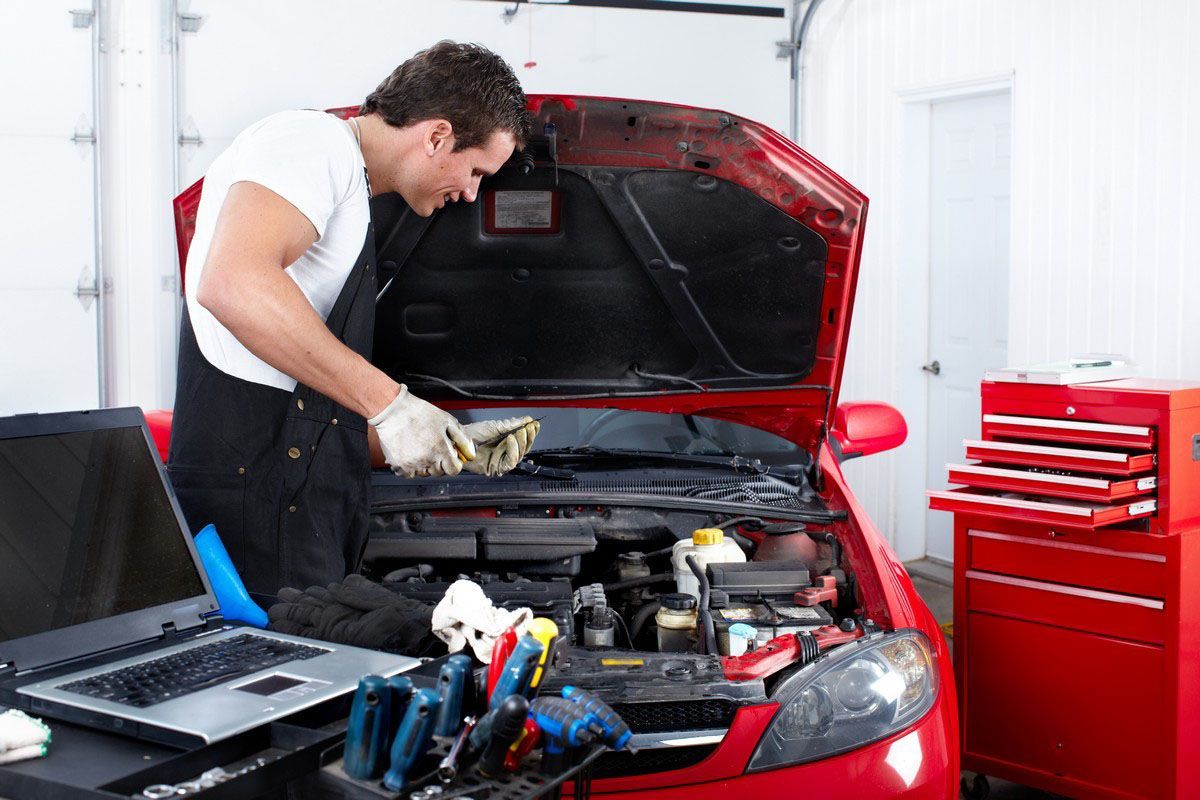
Differentiate effectively between DIY and professional repairs to save time and money. DIY repairs can be an affordable and practical approach for minor repairs such as changing air filters, replacing windshield wipers, or installing new spark plugs. These tasks require minimal tools and basic automotive knowledge. However, owners should be honest about their mechanical competency and not attempt repairs beyond their expertise, as this can result in further damage. Knowledge of the vehicle system, available tools, and the complexity of the issue at hand forms the basis for choosing DIY over professional help.
Professional repairs are necessary for complex procedures involving major components such as the engine, transmission, or electrical systems. Skilled mechanics employ diagnostic tools to accurately assess and resolve issues, ensuring the vehicle's performance and safety. Technicians often have access to tools and equipment not readily available to DIY enthusiasts. Additionally, professional repairs are typically backed by warranties, providing assurance and peace of mind for car owners. Thus, recognizing when to rely on expert services is crucial for maintaining the vehicle’s reliability and longevity.
A balance between DIY and professional repairs can be achieved by evaluating the risk, cost, and available resources. Routine vehicle maintenance extends the life expectancy of vehicles, which for most people, as LLCBuddy points out, lasts about 8.4 years. Therefore, a strategic approach to vehicle care, leveraging a combination of personal and professional skills, is beneficial. DIY projects can be engaging and cost-effective, while professional input ensures proficiency in tackling intricate automotive issues. Vehicle owners should focus on educating themselves about common vehicle issues, preventative measures, and when to seek professional assistance for optimal results.
Recognizing Signs of Vehicle Trouble
Being vigilant and recognizing signs of vehicle trouble early on can prevent expensive repairs and extend the vehicle's lifespan. Common indicators include unusual noises, changes in handling or performance, warning lights on the dashboard, and fluid leaks. For instance, a squealing sound may indicate worn brake pads, whereas a slow response from the steering may suggest issues with the steering mechanism. Detecting such signs promptly can help address potential problems before they escalate into costly repairs. Thus, vehicle owners benefit from training themselves to recognize these early warning signs to maintain their automobiles efficiently over extended periods, potentially 8.4 years or more.
Monitoring dashboard warning lights is critical for immediate recognition of automotive issues. These lights serve as alerts for varied systems like brakes, engine, oil, or air pressure, aiding in the early diagnosis of potential system failures. Ignoring these warnings can lead to significant malfunctions, jeopardizing vehicle reliability and safety. Addressing these indications promptly allows vehicle owners to avert severe damages, demonstrating an essential practice in vehicle care. Therefore, familiarity with what each dashboard light signifies and its potential impact on vehicle health is vital for all vehicle operators.
Timely vehicle care through regular inspections further enhances the owner's capacity to recognize troubles before they manifest into major issues. Regularly checking tire pressure, oil levels, and fluid conditions serves as foundational tasks. Paying attention to changes in vehicle performance and sounds also substantially contributes to a healthy vehicle life cycle. Maintaining awareness enables owners to ensure their vehicles operate smoothly, mitigating issues proactively. As advocated by day-to-day vehicle users whose collective maintenance practices average around 8.4 years of ownership, vigilance remains an irreplaceable component in judicious vehicle upkeep. Be sure to reach out to Pro Touch Auto today for more information on our professional vehicle repair!