June 15, 2026
The moments immediately following a car accident are often defined by adrenaline, confusion, and stress. Whether it is a minor fender bender in a parking lot or a major collision on a busy highway, knowing how to react is crucial for your personal safety, your legal protection, and the ultimate survival of your vehicle. While most advice columns focus exclusively on the insurance and legal aspects of a crash, the physical health of your automobile requires an equally specialized perspective. A modern vehicle is a complex network of crumple zones, sensitive electronics, and high-pressure fluid systems that can suffer severe, hidden damage even in low-speed impacts.
Taking the right steps after an accident ensures that you do not inadvertently make mechanical issues worse or compromise your safety when returning to the road. Evaluating your car from a technical standpoint requires a discerning eye, as minor underlying issues can quickly escalate into catastrophic failures if left unchecked. By understanding what happens beneath the hood during and after an impact, you can make informed decisions that protect your financial investment and prevent long-term automotive headaches. In this article, you will discover the essential steps to take following an automobile collision, paired with professional insights directly from a seasoned mechanic.
Tip 1: Ensure Immediate Safety and Assess Visible Harm
The absolute first priority after any collision is to secure the scene and verify that all occupants are uninjured. If the vehicle is still operational and it is safe to do so, carefully guide it to the shoulder of the road or a nearby parking lot to prevent secondary accidents. Once you are in a protected location, turn off the ignition immediately to reduce the risk of fire or electrical shorts. Activate your hazard lights to alert oncoming traffic, and if you possess emergency flares or reflective triangles, position them well behind your vehicle.
From a mechanical perspective, your very first visual scan should focus on identifying immediate hazards. Look for smoke rising from the engine bay or fluids rapidly pooling underneath the chassis. If you detect a strong smell of gasoline or notice a thick, dark puddle forming on the pavement, move away from the vehicle immediately and contact emergency services. If there are no immediate fire hazards, use your smartphone to document the scene thoroughly, capturing wide angles of the vehicles involved and tight close-ups of the specific structural points that sustained the impact.
Tip 2: Inspect Essential Underhood Fluids for Active Leaks
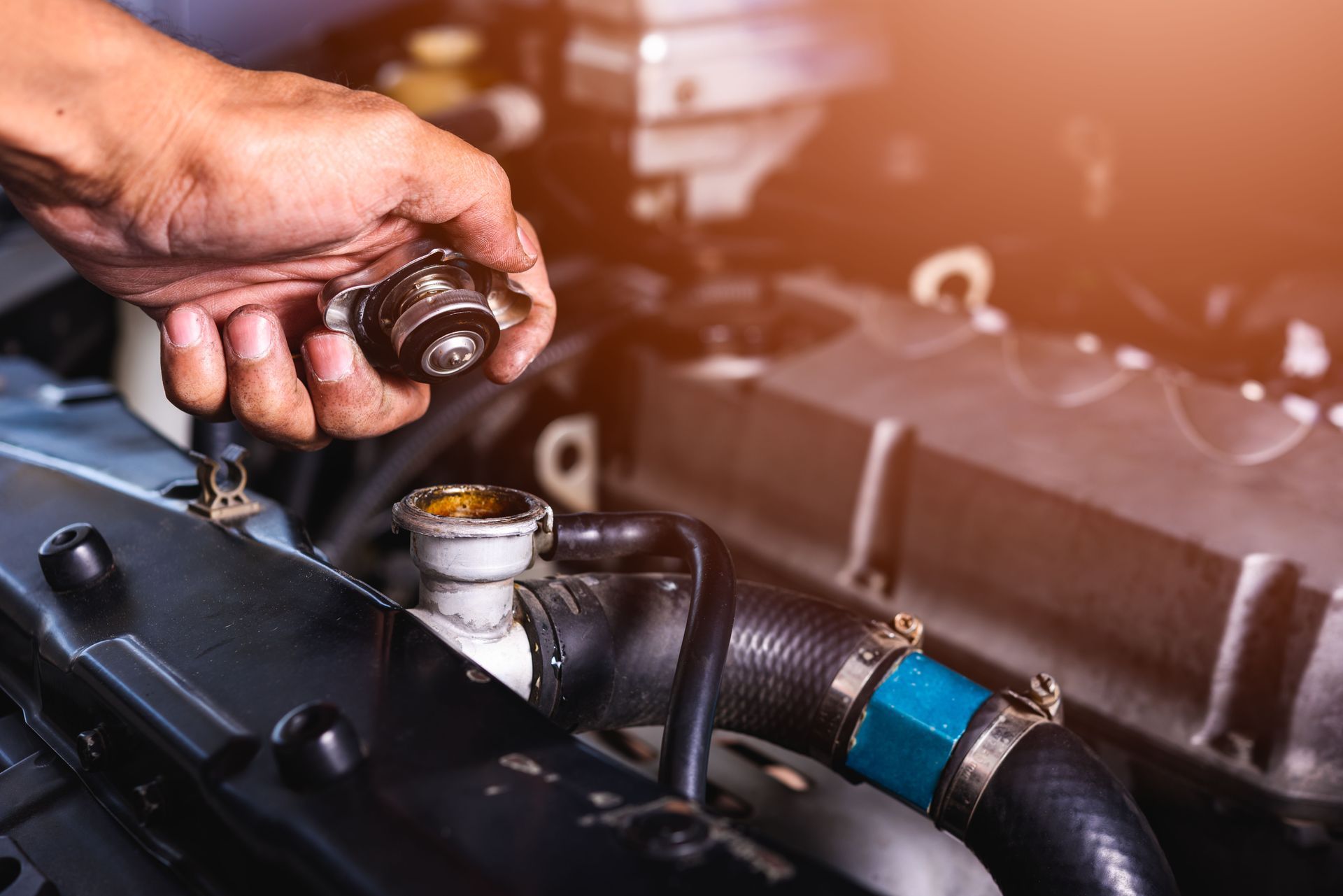
Once the initial shock has passed and the necessary police reports are filed, it is time to open the hood—provided the latch mechanism is not jammed shut. An impact can easily fracture plastic reservoirs, sever rubber hoses, or crack the delicate aluminum core of your radiator. A professional mechanic will always tell you that operating an engine devoid of vital fluids can destroy a motor within a matter of minutes, transforming a simple body repair claim into a complete powertrain replacement.
Carefully examine the engine bay for signs of fresh wetness or spraying fluids. Check the radiator and its surrounding hoses for bright green, pink, or orange puddles, which indicate an engine coolant leak. Inspect the area around the power steering pump, the brake master cylinder, and the oil pan for dark, viscous fluids. If you notice that your radiator is actively dumping coolant or that your oil dipstick reads completely dry after the impact, do not attempt to start the engine, as severe thermal or mechanical friction damage will occur.
Tip 3: Evaluate Structural Integrity and Critical Wheel Clearance
A collision forces a massive amount of kinetic energy through the frame of your vehicle, which can bend structural steel and throw your steering components completely out of alignment. Even if the exterior body panels look relatively intact, the underlying suspension components may be severely compromised. Walk around the entire perimeter of the car and look closely at the gaps between the tires and the body panels to ensure there is adequate clearance.
Examine the wheels to verify that the tires are not actively losing air pressure and that the rims are not cracked or bent. Check if the impact has pushed a metal fender or plastic bumper reinforcement directly against the rubber tread of a tire, which will cause a dangerous blowout the moment you reach driving speeds. Look underneath the vehicle to see if the exhaust system or any suspension control arms are dragging on the ground. If any component is rubbing against a tire or obstructing the steering sweep, the car is entirely unsafe to drive.
Tip 4: Monitor Instrument Panel Gauges and Dashboard Warnings
If your physical inspection reveals no fluid leaks, no structural obstructions, and no immediate safety hazards, you can carefully turn the key or press the start button to assess the internal electronic health of the vehicle. Modern cars are equipped with hundreds of onboard sensors designed to detect the slightest variance in mechanical performance. Pay close attention to the dashboard cluster the moment the engine comes to life.
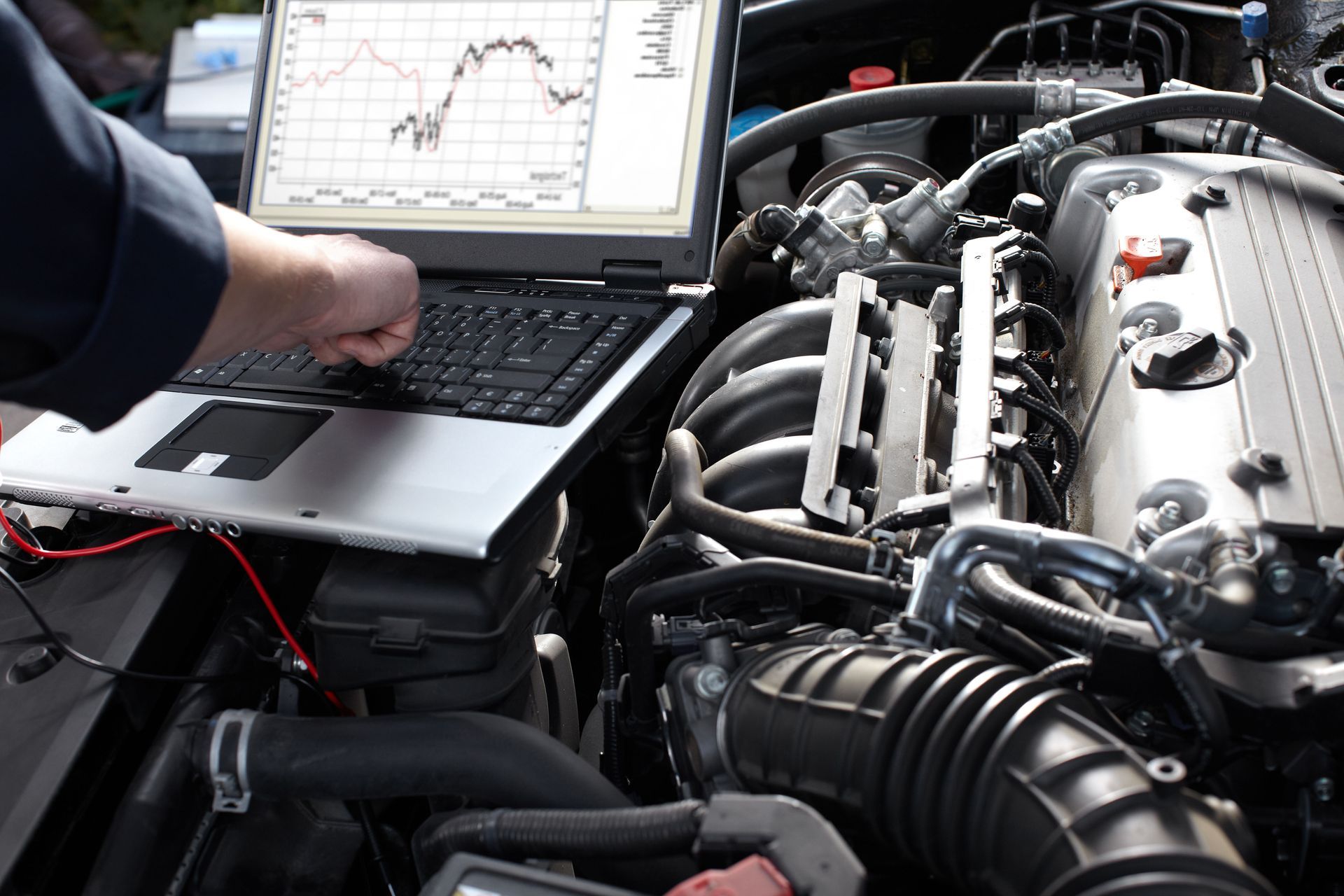
If the "Check Engine" light, "Low Oil Pressure" warning, or "Engine Overheating" indicator remains illuminated, shut down the ignition immediately. A trusted mechanic utilizes specialized diagnostic scan tools to read the specific trouble codes stored in your car's computer system following an accident. Many modern vehicles feature an automatic fuel cutoff switch that triggers during a crash to prevent fires; if your car cranks but refuses to start, this safety system may simply need to be reset by an expert who understands the vehicle's electronic infrastructure.
Tip 5: Listen for Unusual Mechanical Noises During Operation
If the vehicle passes visual and electronic inspections and you must drive it a very short distance to a safe staging area, turn off the radio, roll down the windows, and listen with extreme care. An accident can dislodge exhaust heat shields, break engine mounts, or misalign drive belts, all of which manifest as distinct, unusual sounds when the car is in motion.
Listen closely for any high-pitched squealing, grinding metal, or deep thumping noises when you shift into gear or turn the steering wheel. A scraping sound often indicates that a plastic splash shield has broken loose and is dragging against the pavement or a rotating brake rotor. Whining noises from the engine bay could signify that a pulley was bent during the impact, putting immense stress on the accessory drive belt. If the vehicle makes any violent clunking noises when navigating minor bumps, the internal suspension is likely broken, and further driving must be avoided.
Tip 6: Schedule a Comprehensive Diagnostic Evaluation Right Away
The most dangerous mechanical issues following an accident are the ones that you cannot see, hear, or feel from the driver's seat. Internal frame damage, hairline fractures in suspension knuckles, and subtly leaking brake lines can linger undetected for days or weeks before failing catastrophically. Attempting to delay or skip a professional post-accident inspection is a risk that simply should not be taken.
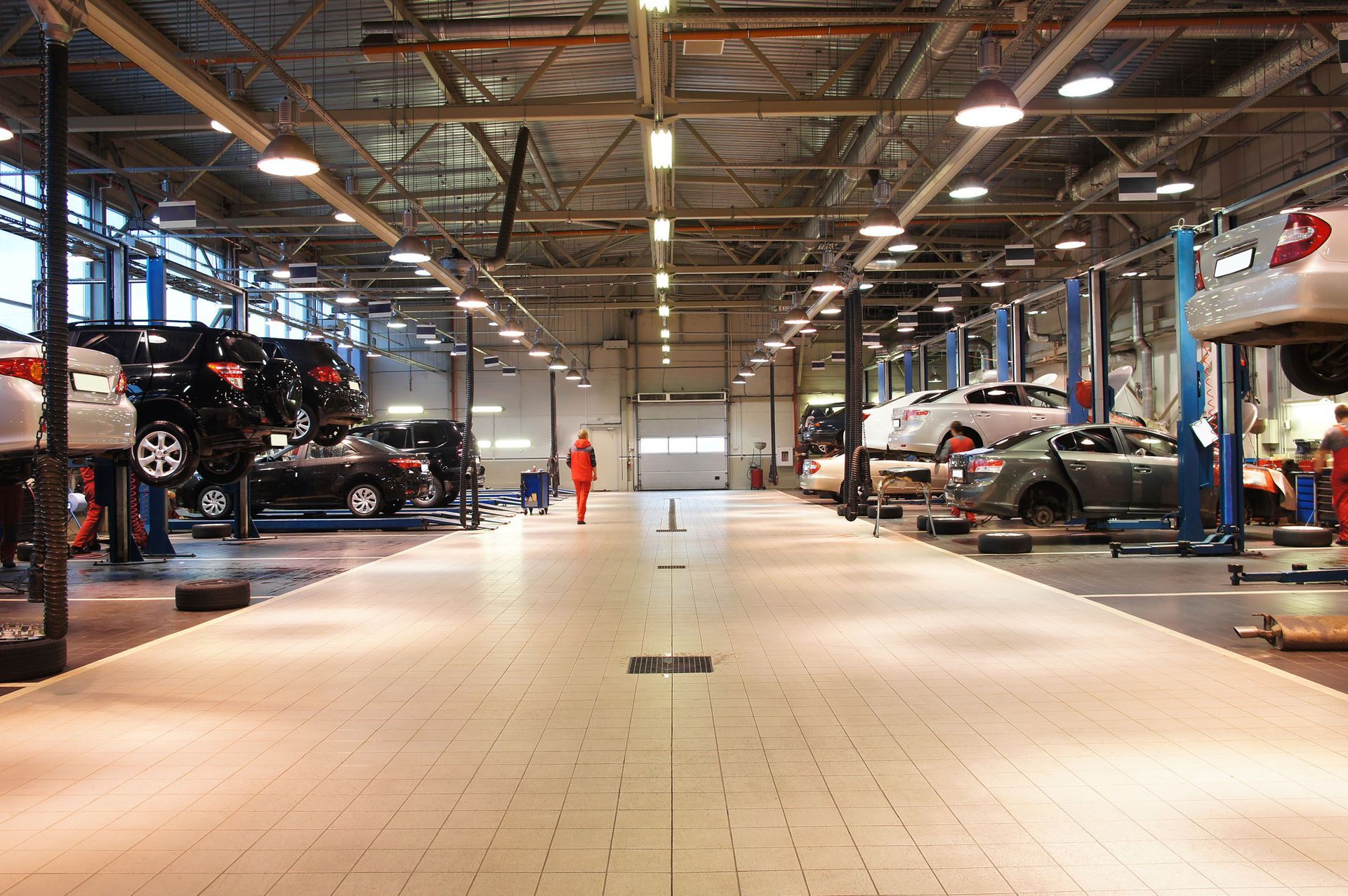
According to AAA, roughly 35% of Americans skip or delay service recommended by a mechanic or factory schedule, significantly increasing the risk of avoidable roadside breakdowns. This troubling statistic becomes even more critical after an automobile collision, where hidden damage can compromise the structural safety of your vehicle. Bringing your car to a certified repair facility allows a technician to place the vehicle on a hydraulic lift, remove the underbody aerodynamic shields, and inspect the entire chassis with specialized precision. This ensures that every single underlying defect is documented for your insurance company and completely corrected before you resume your normal commuting routines.
Contact Pro Touch Auto today to speak with a professional mechanic and schedule a comprehensive post-accident safety inspection!